blog | Driverless vehicles—a reality at Volvo already in 1973 |
|
2 minute read

Driverless vehicles—a reality at Volvo already in 1973

Driverless vehicles are a strong trend in the automotive industry. Volvo is at the forefront of this development and is now preparing a pilot project with 100 cars that will run in real traffic between 2017 and 2020. What most people do not know is that Volvo has long been a pioneer in driverless vehicles. Not on the roads, but inside their production plants. Let’s beam back to 1973 and see how it all started.

New way of thinking

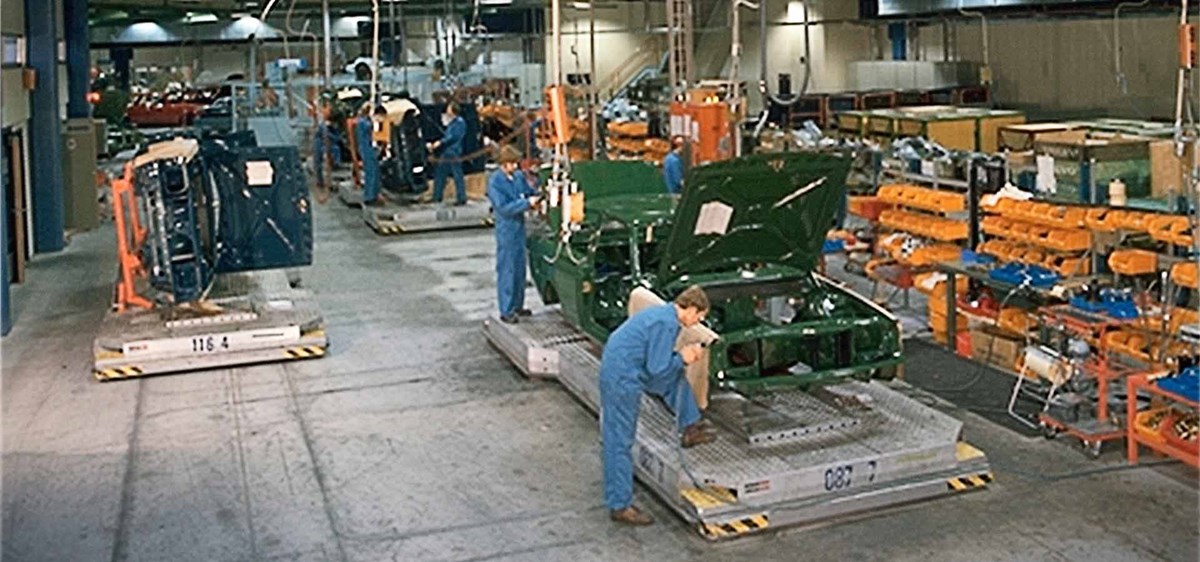
The Volvo Kalmar plant was nothing less than a revolution. Instead of transporting the car bodies along traditional assembly lines, Volvo used AGVs (automated guided vehicles) to move the car bodies from one station to another. Workers benefited from better ergonomics and could work with different types of tasks. More fun at work, less risk of injuries, improved safety and higher flexibility. If you were waiting for parts, for instance, you could just park the car body and continue working on something else.

Increased interest

There were 186 AGVs at the Volvo Kalmar plant and the AGV technology was soon implemented in other Volvo production facilities (Eskilstuna, Hallsberg, Olofström, Skövde and Umeå). German car manufacturer Audi also introduced AGVs in their Ingolstadt production plant at the beginning of the 1980s. The financial crisis in the early 1990s forced Volvo to close the Kalmar plant in 1994 after a total production of 482 739 cars. Even though efficiency was high, the plant was too small to survive.

AGVs are still common in the automotive industry and the future looks bright especially as the trend towards production where all systems and machines connect digitally has now taken off.

Become a pioneer

This trend in digital production is often referred to as the fourth industrial revolution. Introducing AGVs is often a good first step in this trend, as it improves efficiency for a low investment. We were part of helping Volvo and Audi become pioneers in automotive manufacturing and are happy to help you become a pioneer in your industry too. AGVs can be used in many applications and our articles on Industry 4.0 (‘Industry 4.0 – how can AGVs contribute to success?’ and ‘AGVs in the new industrial landscape’) will give you more inspiration.
Consult an Expert

NDC Layout Assistant

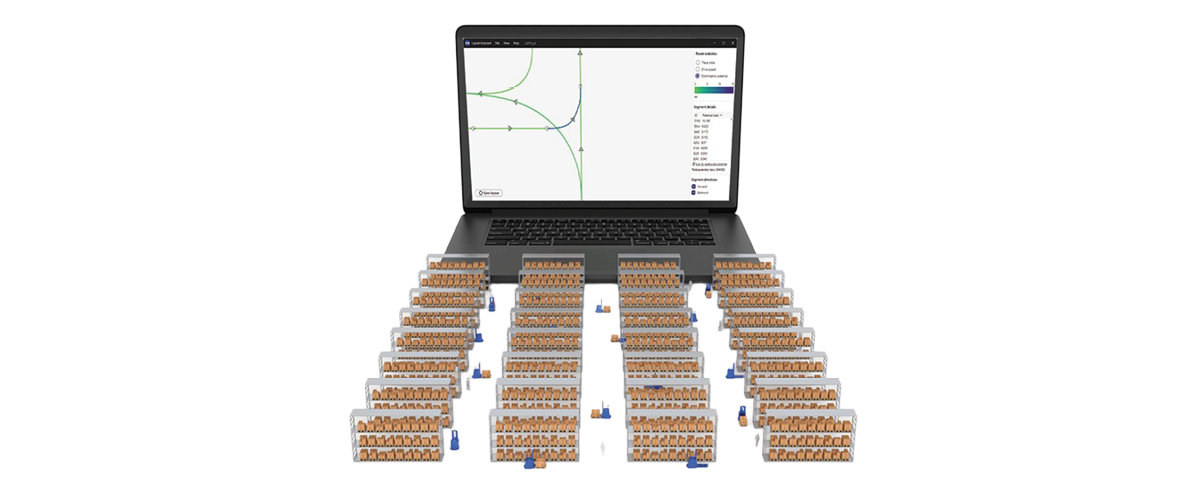
NDC Layout Assistant is a user-friendly application that lets you get instant feedback on your layout design even before running a simulation in the NDC8 system.
Learn More

NDC Flex

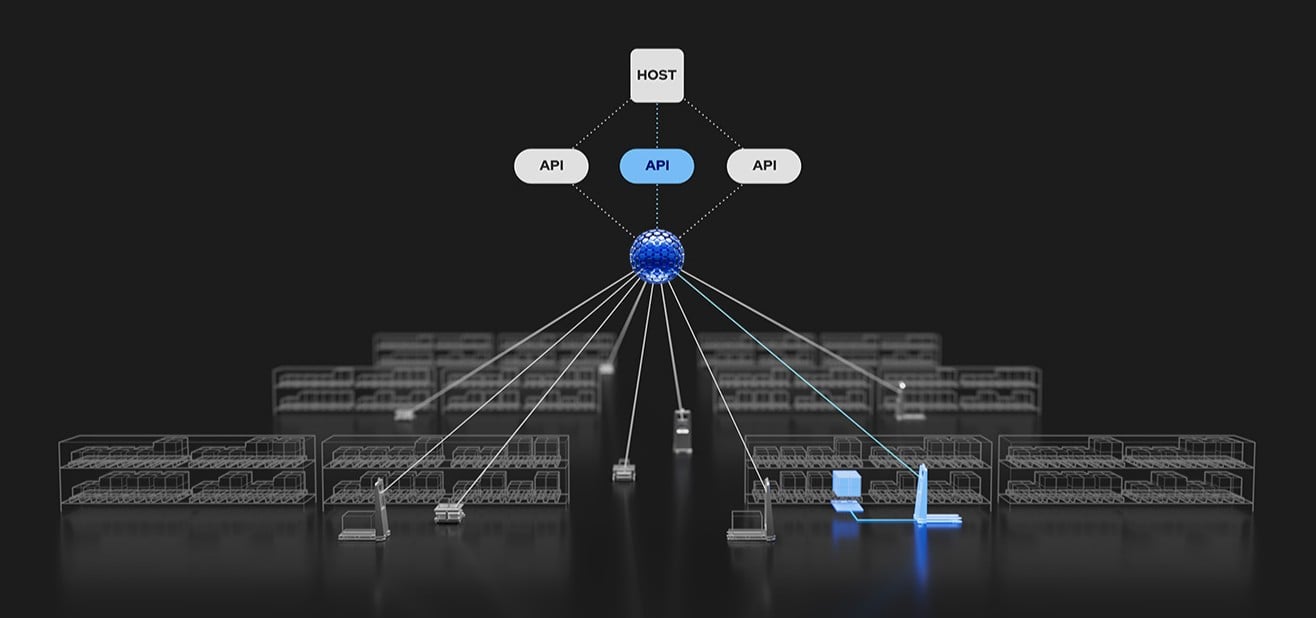
NDC Flex is a groundbreaking system that merges the efficiency of automated guided vehicles (AGVs) with the adaptability of autonomous mobile robots (AMRs). This hybrid approach ensures peak site productivity while mitigating risks related to potential disruptions.
Learn More

Engineer the Exceptional

Learn how to engineer exceptional machines, robots and vehicles with the highest-performing, most reliable motors, drives, automation solutions and more.

Learn More

Related Resources

NDC Layout Assistant

Kollmorgen Launches NDC Layout Assistant: Your Simple Solution for Smart Layout Analysis >

Kollmorgen, a global leader in navigation and controls technology for automated guided vehicles (AGVs) and autonomous mobile robots (AMRs), announces the launch of NDC Layout Assistant ; a tool that provides fast, structured insight into layout…
DB Schenker implements Jungheinrich AGVs with Kollmorgen technology for terminal operations

DB Schenker implements Jungheinrich AGVs with Kollmorgen technology for terminal operations >

DB Schenker in Borås has taken the next step in efficiently moving goods with tight timeframes by automating internal transports and increased productivity alongside improved safety and reduced production damages. The terminal has successfully…
Bring’s 3PL Flow Elevated: 173 Pallets/Hour with Kollmorgen & Rocla

Bring’s 3PL Flow Elevated: 200 Pallets/Hour with Kollmorgen & Rocla >

Bring Logistics, a leading third-party logistics provider in the Nordics, has automated its Skedsmo Logistics Centre in Bergen, near Oslo, with the help from Kollmorgen’s partner Rocla. The 32,000 m² facility now operates with nine Rocla very narrow…
Kollmorgen + ifm

Is This the End of Manual Pallet Adjustments in Logistics? >

In many warehouses and production sites, the handover between manual labour and automated operations presents a daily challenge. Manually placed pallets are sometimes positioned off-coordinate, which creates problems for mobile robots that rely on…
The Future of NDC: Smarter Integration for AGVs and AMRs

The Future of NDC: Smarter Integration for AGVs and AMRs >

Kollmorgen’s latest system release brings new capabilities to the NDC platform, making it easier to develop, deploy, and manage automated vehicles in a wide range of applications.
Kollmorgen Launches the new generation of AC and DC Motor Controllers for AGVs and AMRs

Kollmorgen Launches the new generation of AC and DC Motor Controllers for AGVs and AMRs >

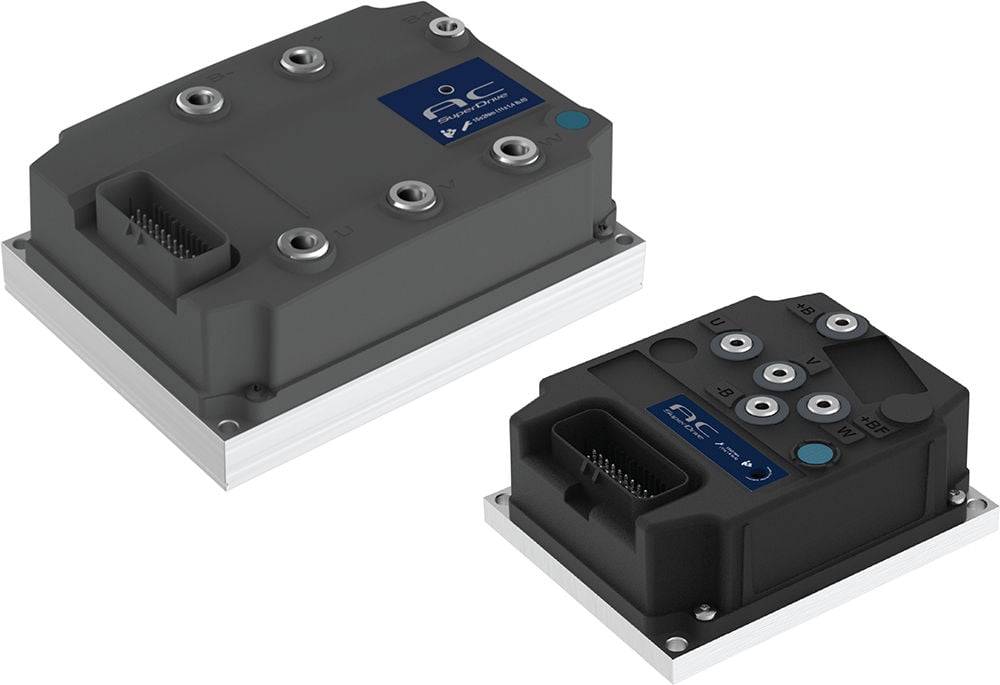
Kollmorgen, a global leader in navigation and controls technology for automated guided vehicles (AGVs) and autonomous mobile robots (AMRs), announces the launch of the AC7 and DC7 Motor Controllers, a powerful new generation of AC and DC motor…
Advanced AGV Cleaning High-Risk Zones to Recover Critical Metals in Gigafactories

Advanced AGV Cleaning High-Risk Zones to Recover Critical Metals in Gigafactories >

As gigafactories and recycling plants scale to meet rising demands, the need for innovative solutions that address both safety and efficiency continues to grow. DREV and Kollmorgen – Autonomous Mobile Solutions (AMS) are proud to announce their…
Kollmorgen AMS to add VDA 5050 support to its fleet manager in 2025

Kollmorgen AMS to add VDA 5050 support to its fleet manager in 2025 >

Specialized solutions such as automated guided vehicles (AGVs) and autonomous mobile robots (AMRs) play a key role in the transformation of the material handling industry, enabling faster and more accurate receiving, storing, moving, and shipping of…