Labor Shortage Driving Need for Automation
Wildeboer is a German producer of components and parts for fire protection, ventilation systems, noise protection and building systems. The company is located in Weener, and their production area is 60,000 m². The city of Weener has a small population of around 15 000 people, making it difficult to find staff. The company therefore saw a clear need for automation in their daily operations to ensure productivity and to stay in business in the long term.
Engineering Interoperability
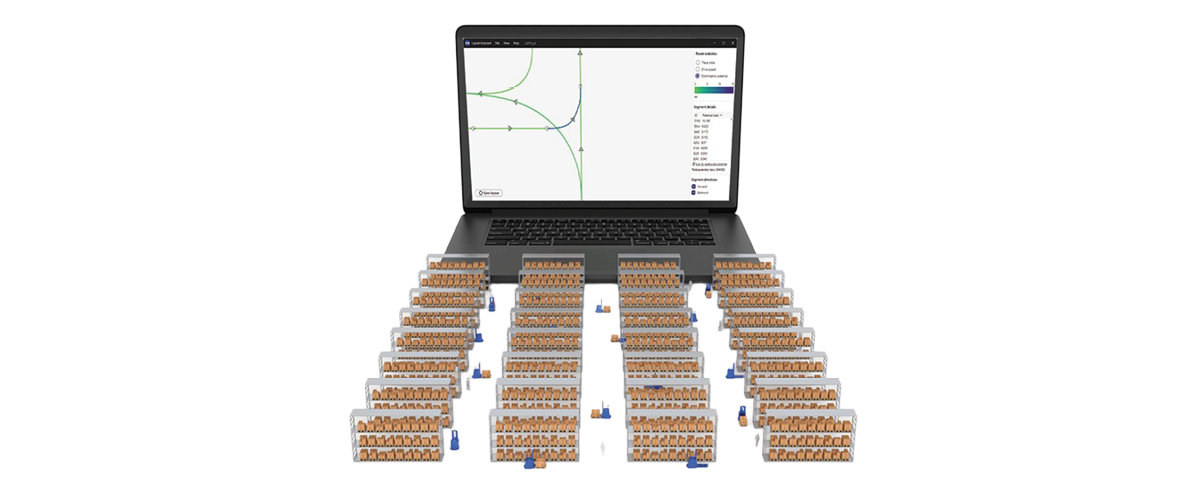
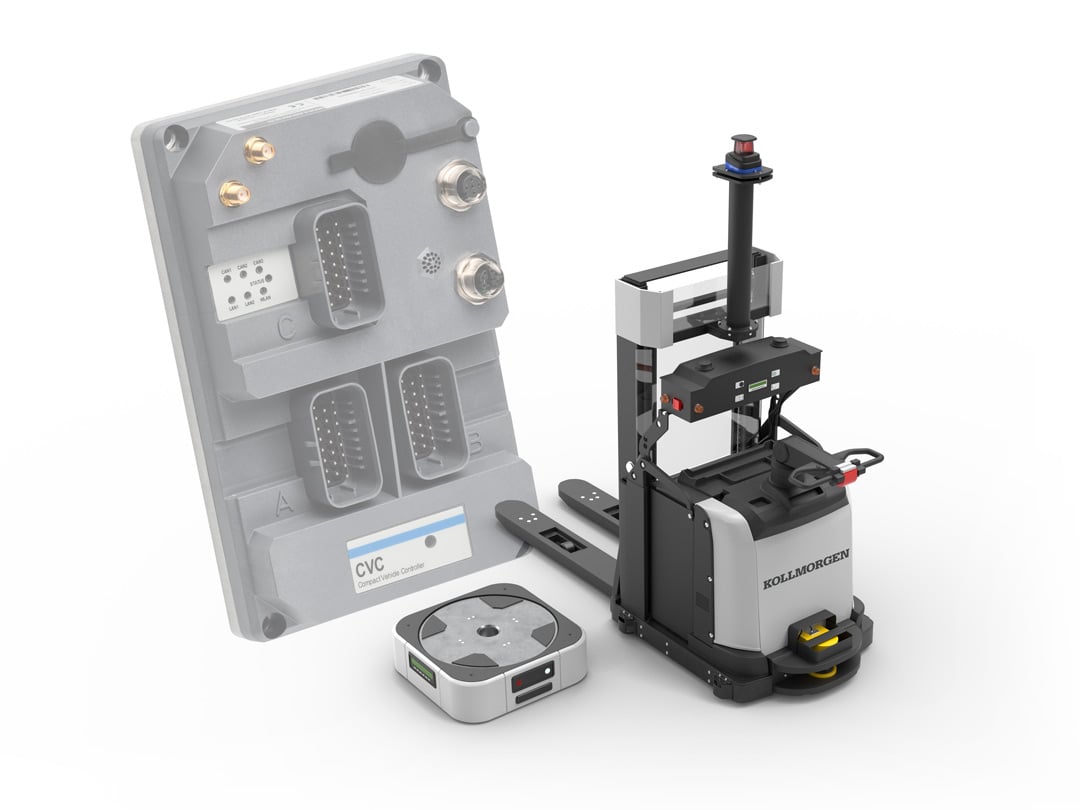
Jungheinrich, a trusted provider of integrated automation systems, delivered a complete and scalable solution for Wildeboer. One of the project’s key achievements was the integration of different automated vehicles into a single mixed fleet, managed by one control system. This was made possible by technologies such as the VDA 5050 standard and Kollmorgen’s NDC Solutions vehicle software—which natively communicates via VDA 5050—enabling seamless interoperability and increased throughput.
Seamless Transport Across the Facility
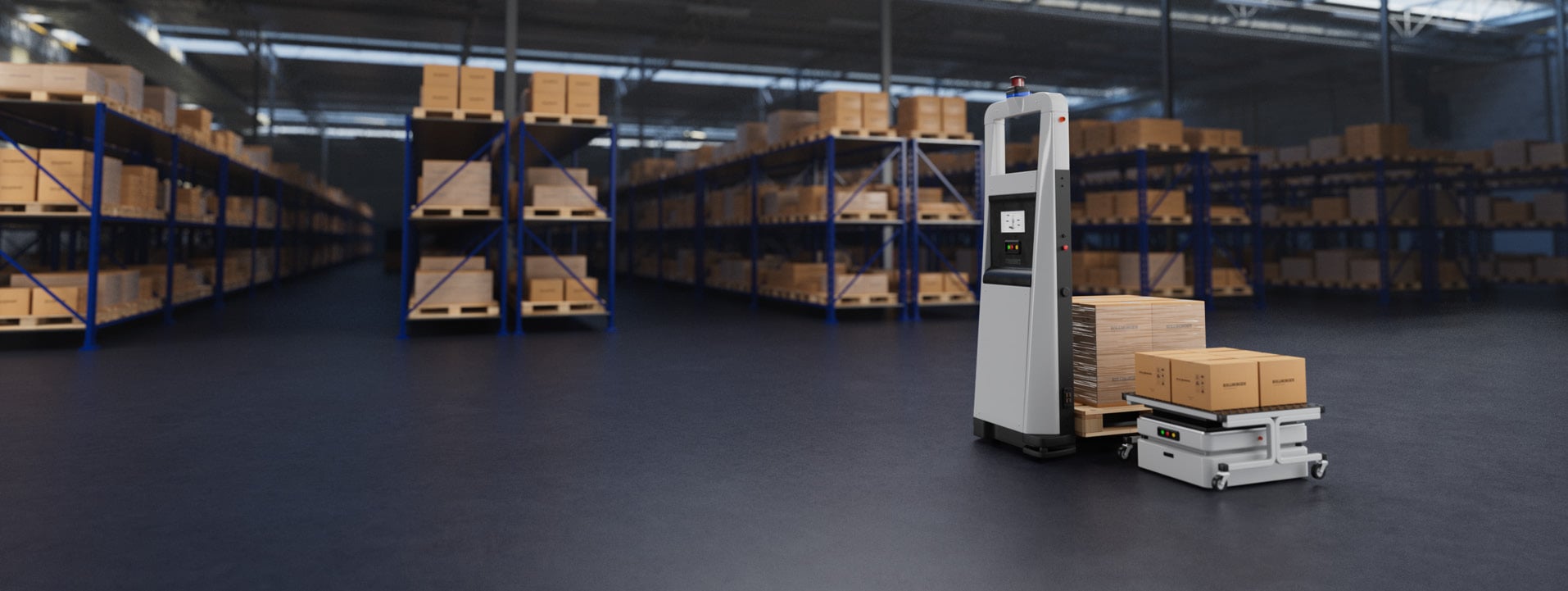
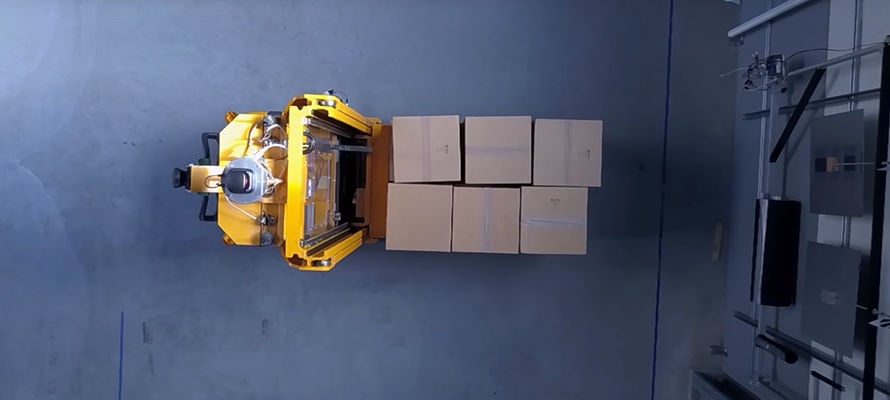
The mixed fleet at Wildeboer consists of six Jungheinrich ERC 213a AGVs , equipped with Kollmorgen technology, and one mobile robot SOTO. The Jungheinrich AGVs are used to transport large load carriers such as EPAL pallets and mesh boxes between different locations in the 60,000 m² large facility.
First, the AGV retrieves the load from the front of the logistics center and transports it to the production area. Once an item has been produced, the AGV collects the load from the workstation and brings it back to the logistics center—either to the warehouse or shipping area.
From Labor Shortage to Increased Productivity
The automated system now handles more than 83 pallet and cage transports and 22 small load carrier transports per hour, dramatically increasing productivity while ensuring smooth man-machine operation. Additionally, the automation of routine tasks eases the workload on staff, while also tackling the labor shortage.
What is VDA 5050?
The VDA 5050 standard was developed to simplify the integration of automated vehicles from different manufacturers into a single control system. By enabling standardized communication between AGVs, AMRs, and master control software, it allows mixed fleets to operate within the same environment.

Jointly initiated by the German Association of the Automotive Industry (VDA) and the German Engineering Federation (VDMA), the standard aims to provide a universal interface for interoperability.
While adoption is growing internationally, implementing VDA 5050 in real-world environments can still involve technical complexity—particularly when aligning different vehicle types, software systems, and operational requirements.
VDA 5050 is just one of many paths to interoperability. Kollmorgen’s technology supports both standardized and tailored solutions, backed by a global network of AGV and AMR providers. If you're exploring what fits best for your facility, we’re here to guide you—with flexibility, experience, and proven results.